
Learning Center
reading
Equip students to attack prompts independently
february 21, 2023
As teachers anticipate upcoming state assessments, a common source of anxiety is the longer, extended responses students must produce after reading one or more passages.
However, without direct instruction on how to decode a prompt, students may write a response about the topic, but in the wrong genre.
- They may be prompted to write an informative about American Colonists but inadvertently generate a narrative.
- They may be prompted to write an argument about Amelia Earhart but accidentally produce an informative.
- They may be prompted to write a compare-contrast two themes but simply summarize them instead.
Writing the wrong type of response typically renders it nonscorable on most state rubrics. Consequently, students need explicit lesson instruction on how to decode a prompt for its task and what ingredients are included in that genre.
Compare this to the everyday classroom when a teacher presents a writing assignment… and then often spends the next 15-20 minutes “going over” the directions… explaining the expectations… and answering students’ questions.
This additional explanation and clarification is not permissible on state assessments.
On test day, the students must recognize the academic vocabulary in the prompt and decipher all its meanings. This requires explicit instruction on how to decode prompts. Specifically, teach students:
- The academic language to expect in prompts.
- Kid-friendly synonyms and meanings of those “big words.”
- The kind of information they should include in each genre type.
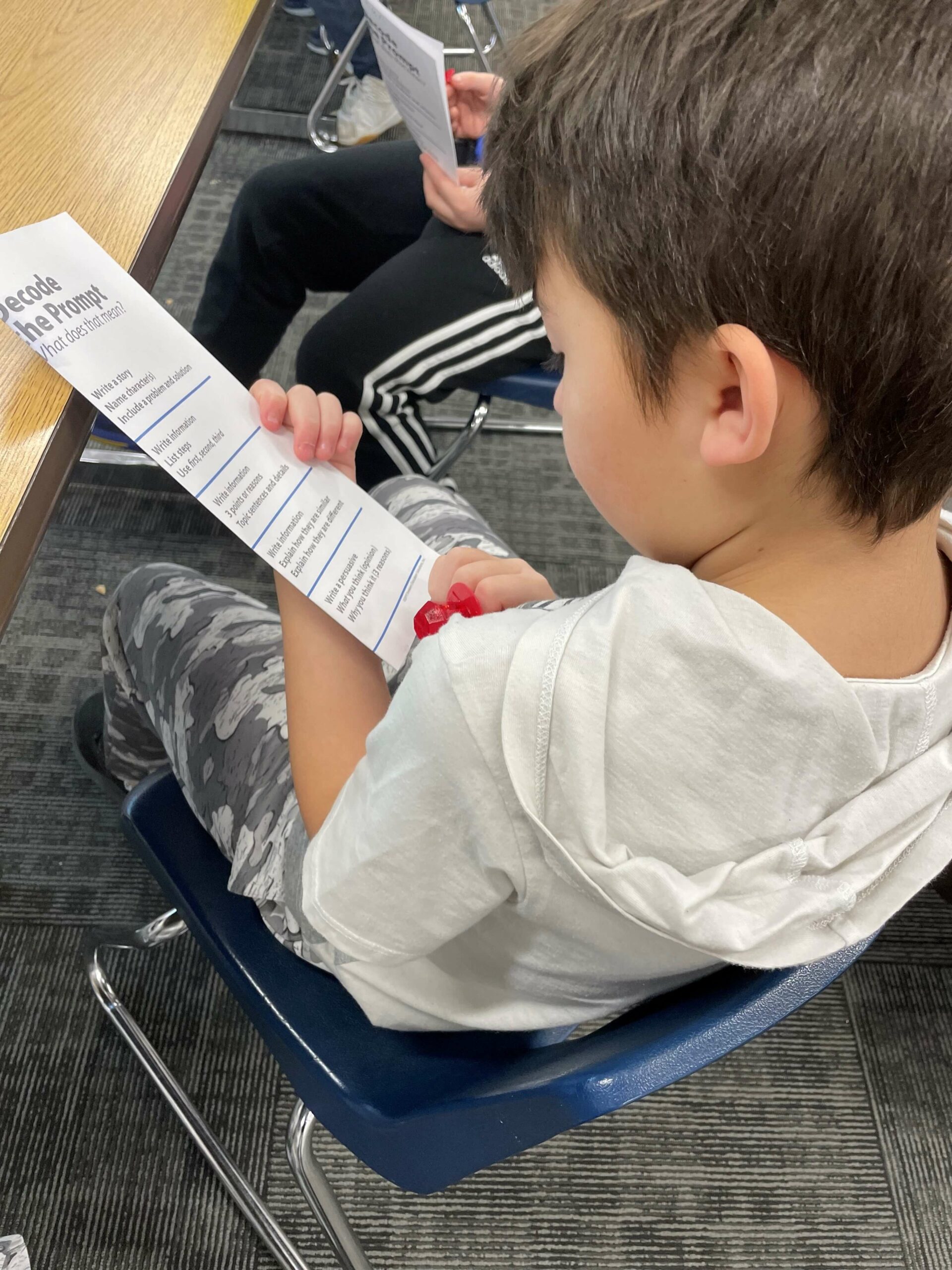
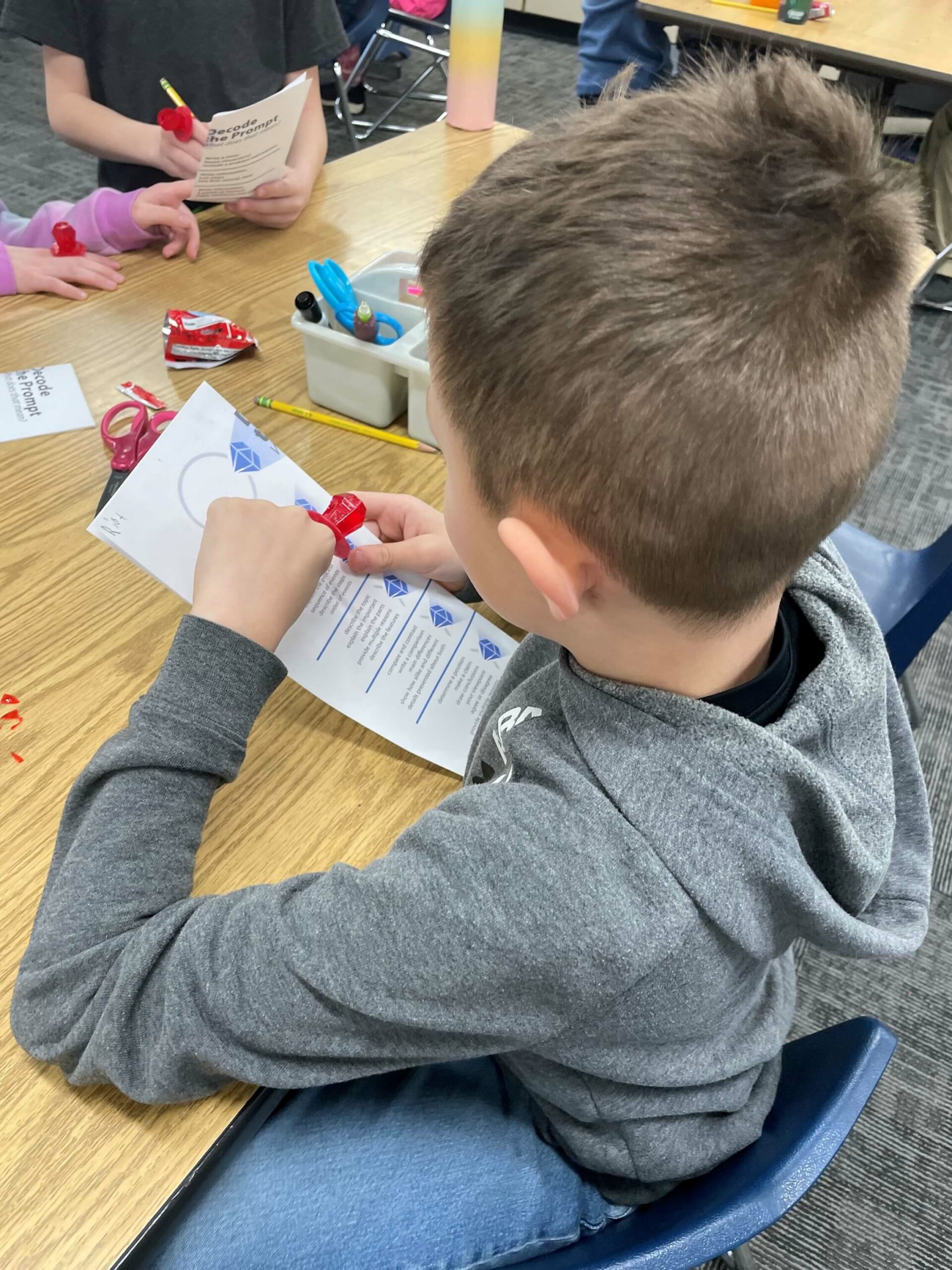

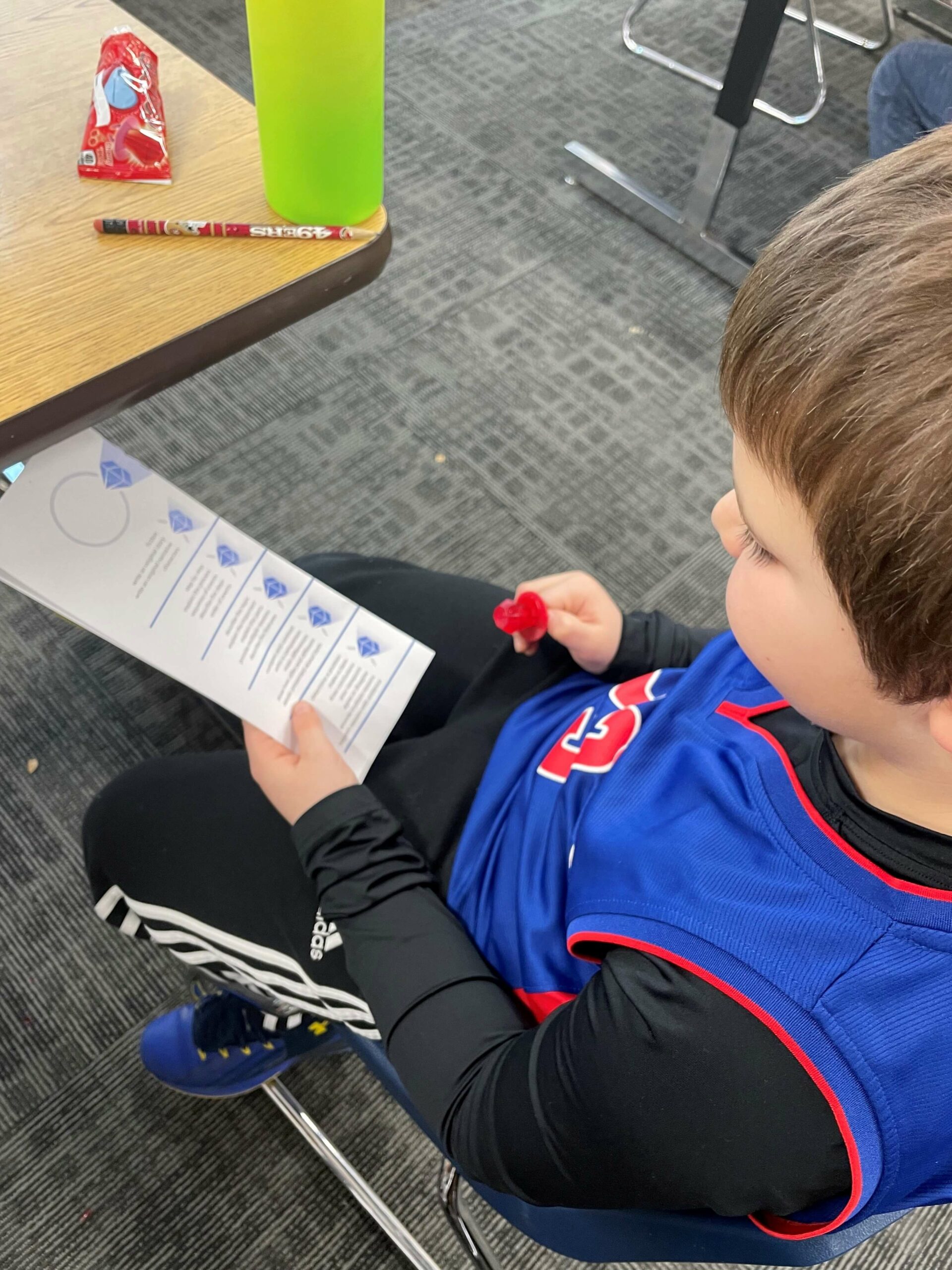
Blackford Intermediate teacher (Hartford City, IN) Rachael Shadiow provided “decoder ring” ring pops to her third graders as they reviewed academic language used in writing prompts.

[reading]
Decode a prompt in 3 steps
[reading]
Use the prompt to determine the genre
[reading]
I loved as much as you’ll receive carried out right here. The sketch is tasteful, your authored material stylish. nonetheless, you command get bought an nervousness over that you wish be delivering the following. unwell unquestionably come more formerly again since exactly the same nearly a lot often inside case you shield this hike.
Hello, i think that i saw you visited my weblog so i came to ?eturn the favorI’m trying to find things to improve my web site!I suppose its ok to use some of your ideas!!
Its like you read my mind! You appear to know so much about this, like you wrote the book in it or something. I think that you can do with a few pics to drive the message home a little bit, but other than that, this is fantastic blog. A great read. I’ll certainly be back.