
Teach Writing
TOMORROW
VIRTUAL Workshops for K–5 Educators
Does writing instruction feel like guesswork?
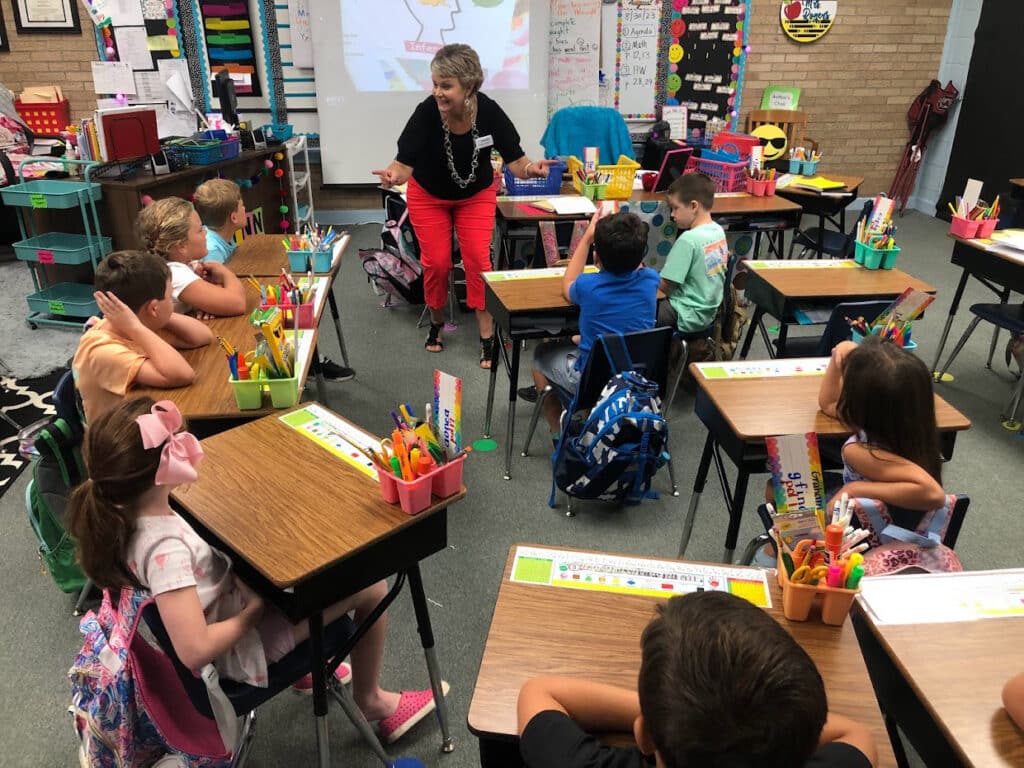
Teach Writing Tomorrow is a series of focused, 2.5-hour virtual micro-workshops that help K–5 teachers take the guesswork out of planing and delivering effective writing instruction.
In each virtual session, teachers learn proven classroom strategies—and leave with ready-to-teach, scripted writing mini-lessons for their grade level. If you need writing lessons you can teach tomorrow, this micro-workshop is the right next step.
Ever feel unsure how to actually teach the writing?

Many teachers are handed writing units, pacing guides, or mentor texts—without clear guidance for how to teach the writing. Planning feels heavy. Lessons feel uncertain. And too often, teachers are left hoping students “pick it up” along the way.
Teach Writing Tomorrow was created to remove that uncertainty—without adding more to teachers’ plates.
Do you need a clear plan for what to teach tomorrow?
We’ve done the planning.
Teach Writing Tomorrow virtual workshops include scripted writing lessons that teachers can use the very next day.
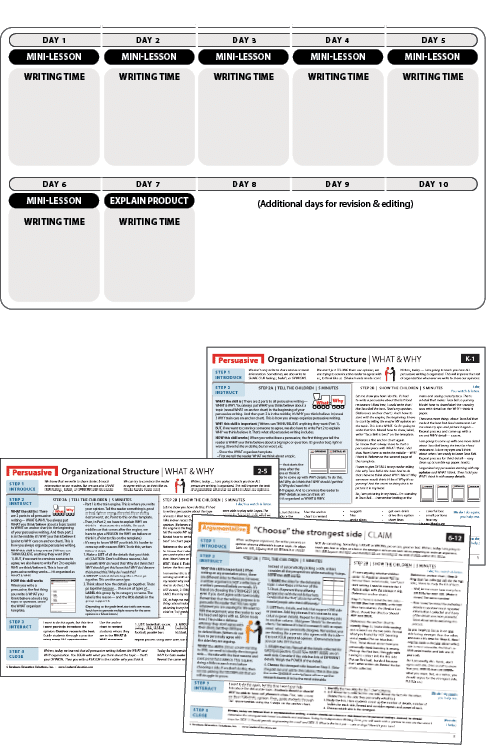
Each 2.5-hour session is built around a complete, grade-level writing unit. Rather than collecting disconnected strategies, teachers experience effective instruction the way students do—inside a real unit, with real lessons.
A Practice That Transfers
Learn one high-impact instructional practice that works across writing units and genres.
Modeled Inside a Real Unit
See the practice taught and applied within a complete, ready-to-use writing unit.
Rooted in
Research
Understand the science behind the instruction while actively teaching research-backed lessons.
Resources
That Last
Leave with scripted mini-lessons and materials you can use beyond a single workshop.
Teachers don’t just learn what to teach—they learn how and why it works.
Upcoming Sessions
Each Teach Writing Tomorrow session focuses on a specific writing genre and is offered live on the dates below.
Teaching the Research Report
FEBRUARY 25
How to deliver explicit writing instruction within a research report unit
Choose 9 a.m. or 1 p.m. EST
Teaching Persuasive Letter Writing
MARCH 18
Choose 9 a.m. or 1 p.m. EST
Teaching Personal Narrative Writing
APRIL 22
Choose 9 a.m. or 1 p.m. EST
What teachers get
In every Teach Writing Tomorrow micro-workshop, teachers leave with:
- ✔ Fully scripted writing mini-lessons for the next couple weeks of writing instruction.
- ✔ A high-impact instructional practice that transfers across genres and grade levels.
- ✔ A clear understanding of why the practice works—grounded in research
- ✔ Lessons aligned to standards, skills, and instructional sequencing within a unit.
- ✔ Lifetime access to a “secret site” of digital resources to support implementation.
- ✔ On-demand access to the workshop video for 90 days.
Designed for Real School Schedules
Each Teach Writing Tomorrow micro-workshop is delivered live and virtually in a focused 2.5-hour format—making high-quality professional learning far easier to schedule and support.
Why this matters for schools and teachers:
- No full-day substitute required
Teachers participate without missing an entire day of instruction. - Flexible coverage options
A single substitute can support multiple teachers—covering one classroom during the morning session and another during the afternoon session. - Same learning, two time options
Each micro-workshop is offered twice on the same day:
9:00 a.m. ET and 1:00 p.m. ET, allowing schools to choose the time that best fits their schedule.
- Focused learning without overload
At just 2.5 hours, sessions are long enough to go deep—but short enough to maintain energy, engagement, and clarity. - Attend from anywhere
Because sessions are virtual, teachers can join from their classroom, home, or office—without travel time or additional costs. - On-demand access included
All registrants receive 90-day access to the workshop recording, providing flexibility if they are unable to attend live or wish to revisit the learning.
This streamlined format removes common barriers to professional learning while still delivering meaningful instruction, practical resources, and immediate classroom impact.
WHO
SHOULD
ATTEND?
- K-5 teachers
- Instructional Coaches
- Principals
- Special Education Teachers
- Interventionists

Access AFTER the Live Session
Each Teach Writing Tomorrow micro-workshop includes 90-day on-demand access to the recorded session.
This allows teachers to:
- Rewatch key instructional segments.
- Pause and reflect while planning lessons.
- Catch up if they are unable to attend the live session.
While live participation is encouraged for the full learning experience, on-demand access ensures flexibility without sacrificing instructional quality.
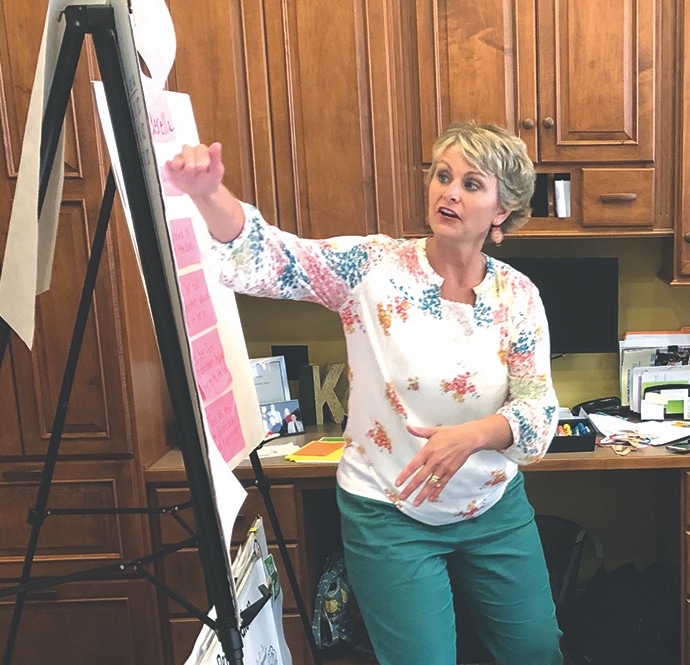
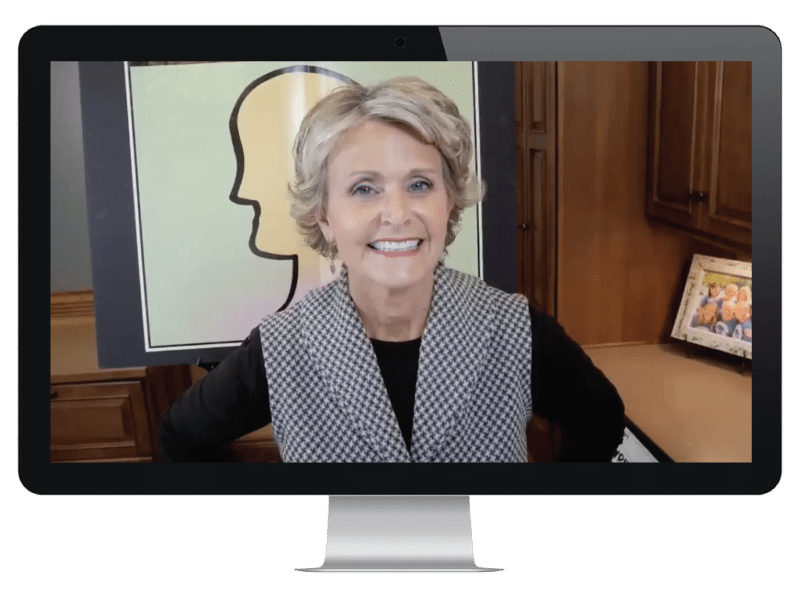
PRESENTER: Kristina Smekens
Nationally recognized literacy consultant, author, and founder of Smekens Education
A celebrated educator, author, and literacy consultant, Kristina Smekens has built a reputation for using enthusiasm, humor, and common sense to equip K-12 educators with simple and effective strategies for teaching reading and writing.
As president and lead consultant for Smekens Education, Kristina is constantly developing new strategies to help teachers meet the demands of today’s College and Career-Ready Standards. She shares those strategies with teachers across the United States and beyond through on-site professional development, seminars, and an always-growing pool of print, digital, and video resources.
Pricing & Registration
Individual
- $99 per session
- $249 for all three sessions (save $48)
Schoolwide
- Single session: $99 per person or $2,000 per school
- Full series: $249 per person or $5,000 per school