
reading
Integrate excerpts into comprehension instruction
State and national reading assessments don’t ask students questions about entire novels. Rather, they typically provide excerpts from longer texts. Students are presented these texts with a minimal book introduction followed by a prompt. For example:
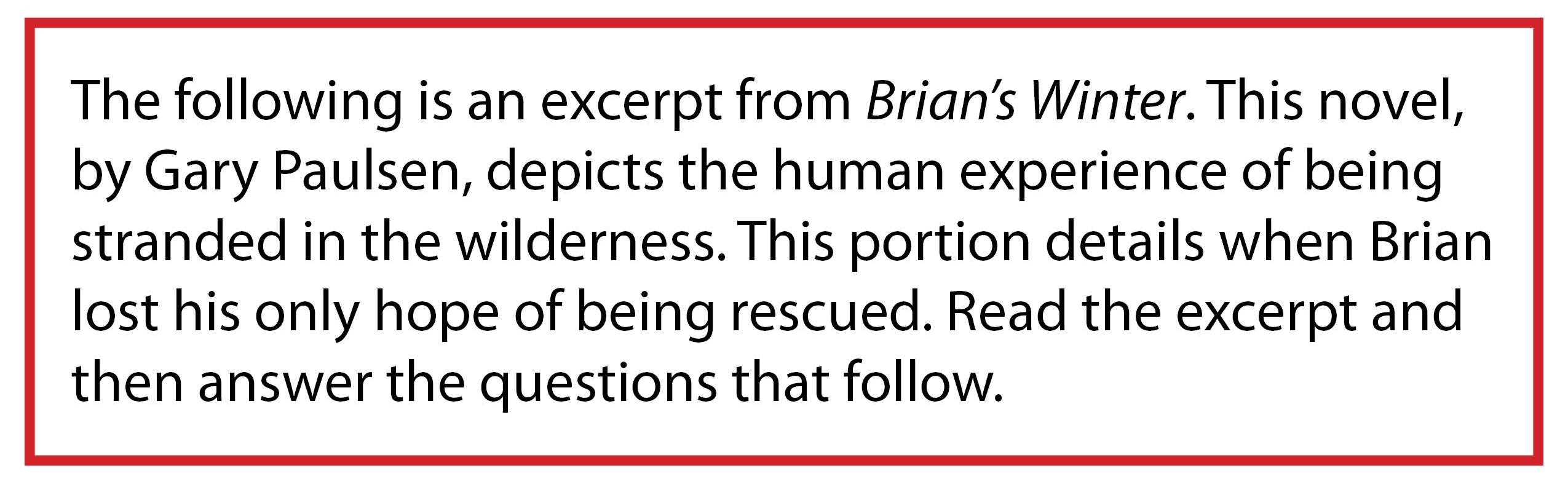
This notion of reading excerpts on assessments is not new. However, what may not be common knowledge is how students are reacting to this reading task. Some students are having difficulty with this format—and it’s often the high-ability students.
When researchers followed up to determine why some students struggled, many alluded to feeling like they didn’t know enough about the whole story or plot to adequately answer the corresponding questions. They were missing bigger pieces; there wasn’t enough context. They believed they didn’t have enough information since they only read a portion.
Students are correct—they do not have access to the entire text in these testing scenarios. They are missing pieces. However, they have enough information in the provided passage to make the necessary inferences and answer the questions. That said, students may need more experience with this type of excerpt-only reading.
Look for opportunities to bring such reading scenarios into the classroom.
- Identify the reading skills and standards that will be taught within the main novel.
- Identify key excerpts of a second novel or longer text that lend themselves to the same comprehension skills that will be taught via the main novel.
- While progressing through the main novel and teaching a skill (e.g., assessing character perspective), introduce the excerpt from the second text that demonstrates the same skill (e.g., assessing character perspective). Discuss how both authors utilized the skill. Teach students the “clues” that help readers make such inferences.
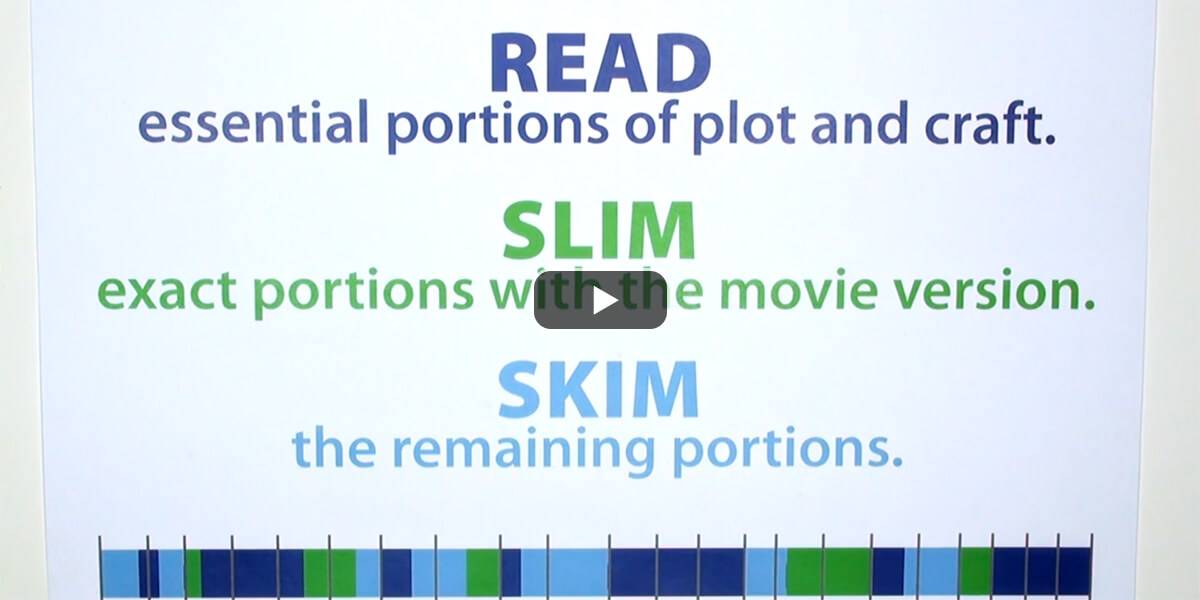
- Resume reading the long novel, but abandon the second novel. (Don’t feel obliged to read all of the second novel from cover to cover. Utilize only the excerpts of this second text that are most relevant or helpful for teaching. Remember, texts are tools to help teach reading skills. Educators aren’t teaching texts. They’re teaching skills. The text is just the vehicle to support the instructional teaching of skills and standards.)
The big idea here is that these shorter, one-sitting reading excerpts provide students further practice with the skill being taught. But there is a second advantage to this approach, too. Such excerpt-only reading provides students more opportunities to experience this format, building their confidence as they encounter them on standardized tests.

[reading]
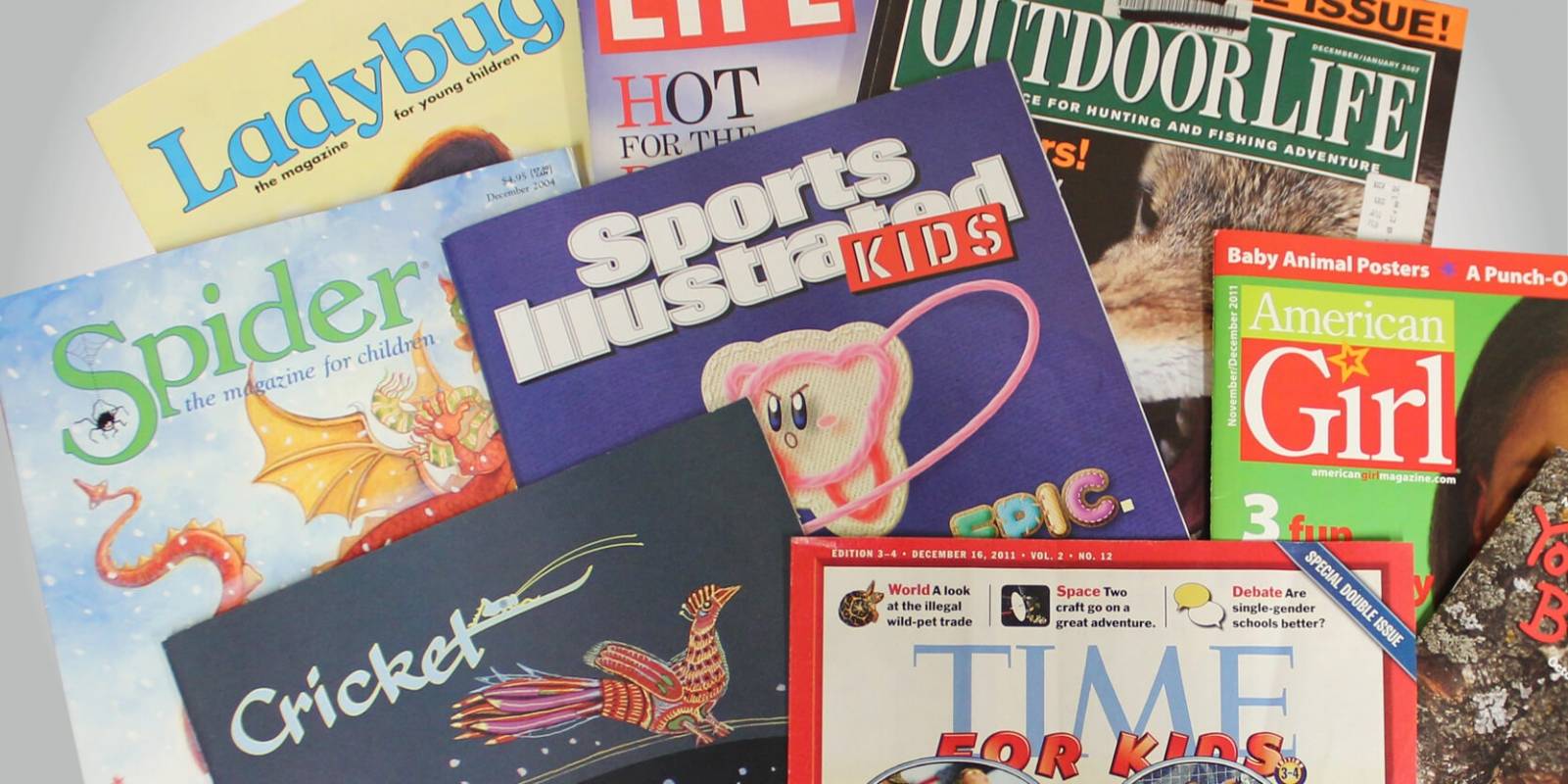
Seek magazines with short nonfiction passages
[reading]
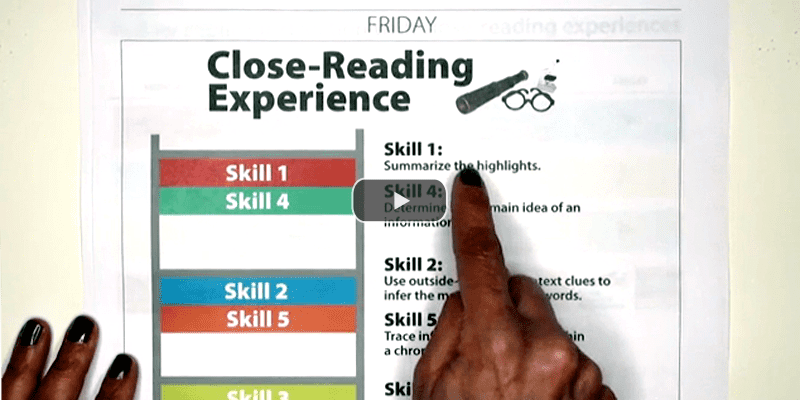
Follow explicit instruction with close-reading experiences
[reading]