
Learning Center
reading
Identify text worthy of a close reading
october 30, 2020
When preparing a close-reading experience, the first step is to select an appropriate text. Such a text should be complex, comprehensive, and considerate.
Complex in meaning
Complex texts are not defined solely by their reading level. In fact, the text can actually be below the students’ Lexile levels. However, what earns it the “complexity” label is that its meaning cannot be completely inferred in a single, simple read. There is more to the author’s message than what can be gleaned with a surface reading.
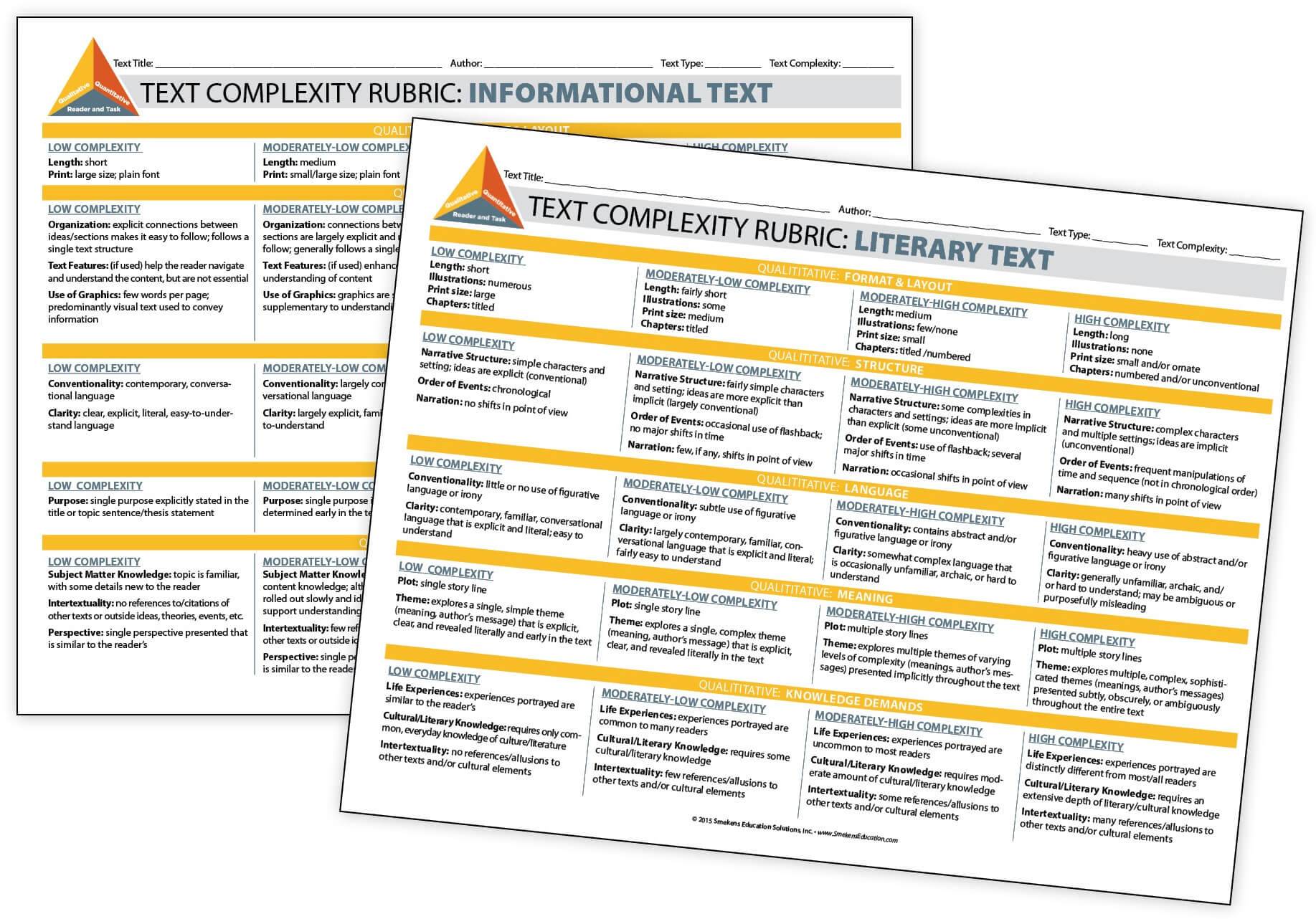
Text worthy of a close reading has rich layers of meaning. And through an intentional sequence of text-dependent questions, students return to the text, diving in, inferring answers, and discussing their deep insights.
Comprehensive in skills
After delivering instruction on 2-4 individual comprehension skills using familiar texts, plan a close-reading experience with a new and complex text. Carefully select a text that has the necessary qualities, characteristics, and ingredients to practice the recently-learned comprehension skills.
Considerate in length
No one can closely read a 200-page novel. The intensity, focus, and rereading required cannot be maintained for dozens of pages. Consequently, be considerate of the quantity of text you expect students to closely read.
This may mean selecting a portion or excerpt of a longer text or choosing an entire text that’s short to begin with. A general rule of thumb for a one-sitting close-reading experience is 4-8 paragraphs. [NOTE: A complex picture book may sprawl across 24 pages, but when typed, it typically falls within the same range.]
Some teachers utilize longer texts when they plan to stretch the close-reading experience across several days. Although this is an option, plan for some close readings to begin and end in one sitting. In fact, this is the scenario students face on standardized reading assessments. They have to execute the close-reading framework for multiple passages to be read in a single testing session.


Measure a text’s complexity
[reading]