
Learning Center
reading
Incorporate word-work games WITHOUT a lot of work
September 24, 2013
Prepping for literacy stations shouldn’t be time consuming. One way to be more efficient is to introduce procedures early in the year for a few universal games that could later be added into a Word-Work Station.
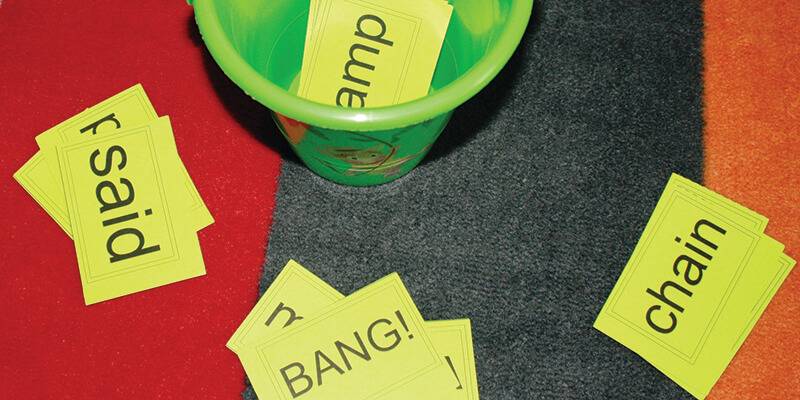
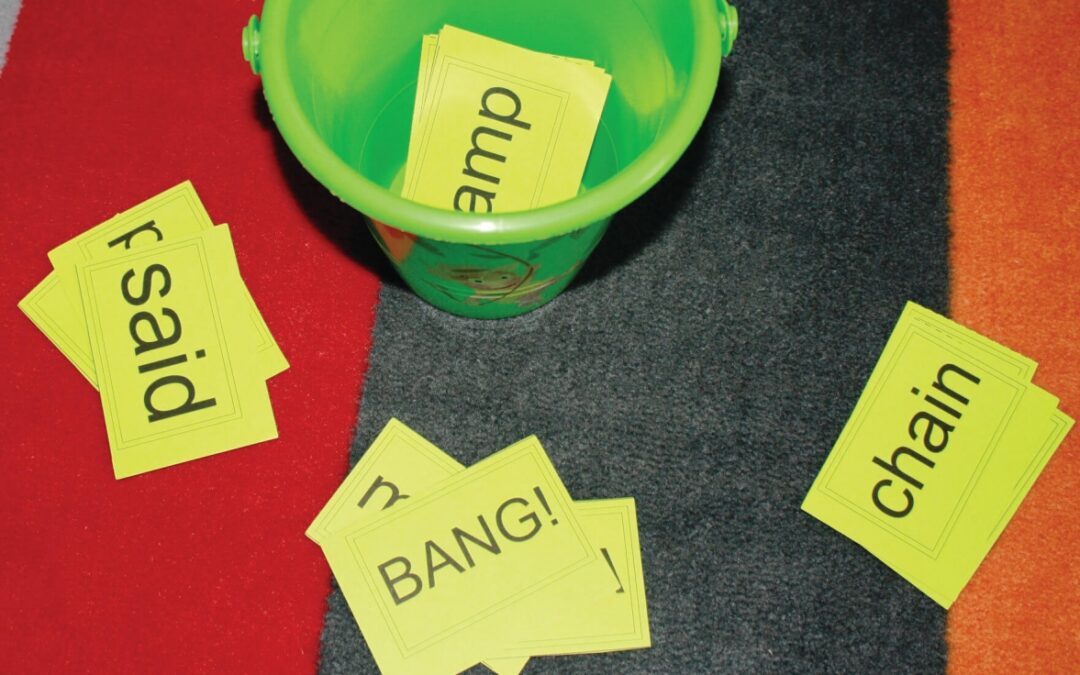
Easily adaptable games that can be used for word work include BINGO! Go Fish, Old Maid, and Uno. A less familiar game, and a personal favorite, is BANG!
- Create flashcards for each word you want students to work with. Visit kitzkikz.com to create free printable flashcards.
- In addition, make three flashcards that read BANG! (or OH NO! or SNAP!).
- Put the cards in a bucket.
- Players pass around the bucket. One by one, each pulls out a card, reads it, and keeps it.
- If a student pulls out the BANG! card, then he must put all his cards back in the bucket. This is a never-ending game; kids play until the teacher says “Time’s up.”
After explaining the objective and modeling how the game is played, have multiple sets ready for kids to practice in small groups. While they are playing the game, the teacher should monitor that students are following the procedures. (TIP: Teach students how to play the game using “easy” words–last year’s high-frequency words, names of students, the alphabet, etc. The focus needs to be on learning the procedures initially, not on learning new words.) Practice the same game for a few days with kids in different groups before introducing the next one.
By teaching students a handful of universal procedures, you can easily rotate the games into a Word-Work Station for the rest of the year. The procedures never change. The only prep the teacher has is to create the flashcard words kids will practice with that day/week.

[reading]
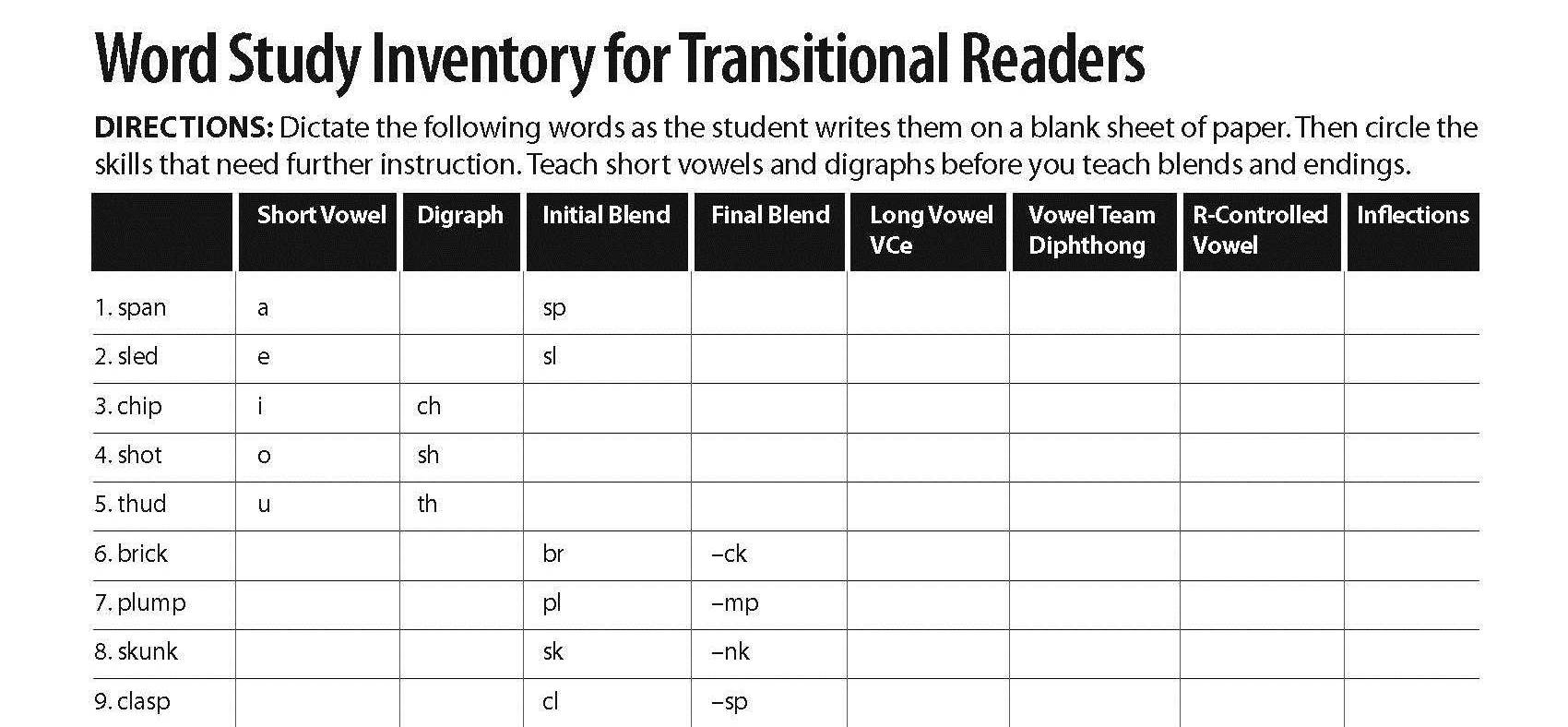
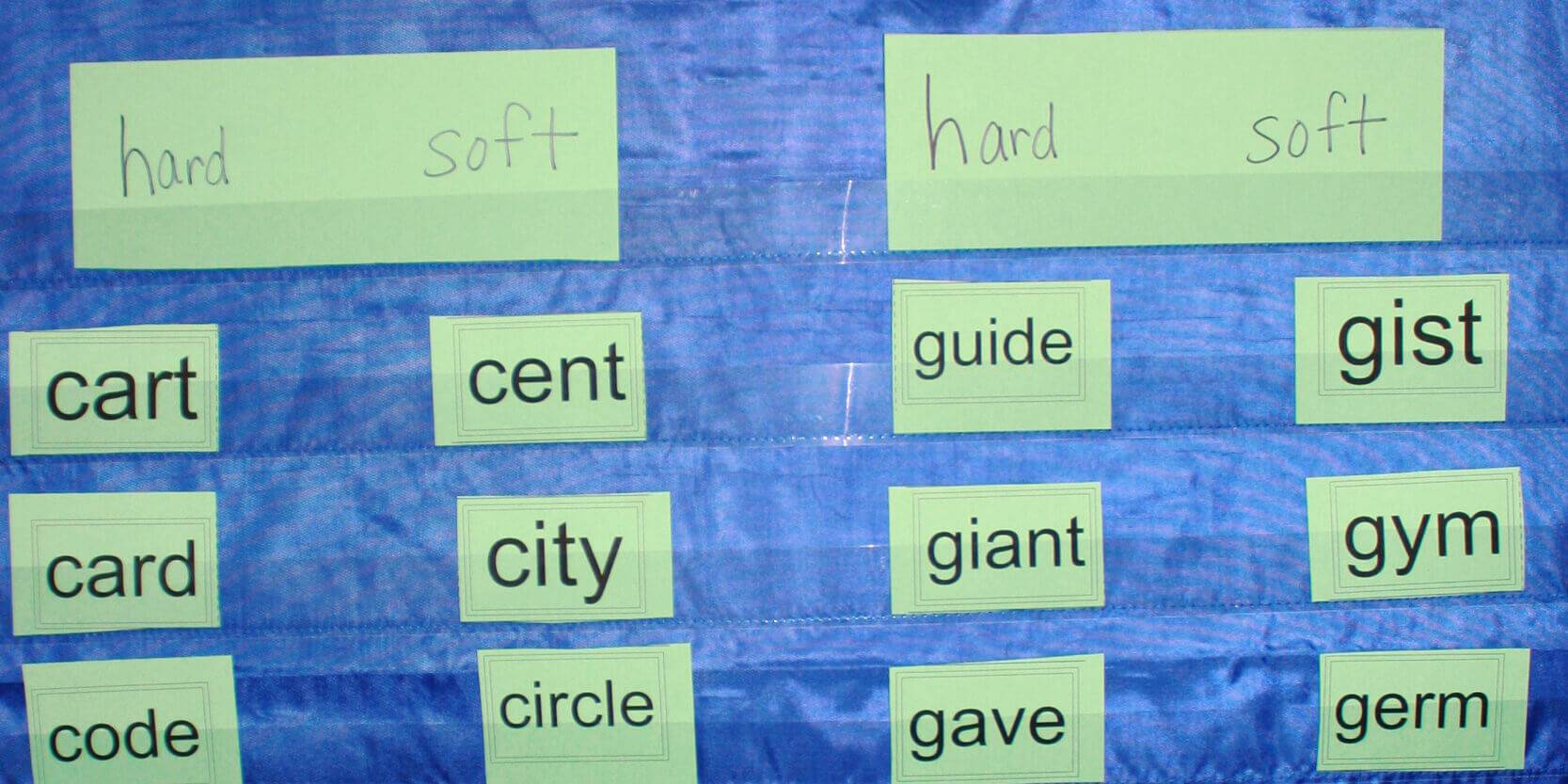
Address word study/spelling for Transitional Readers
[reading]